Johannes Nagel
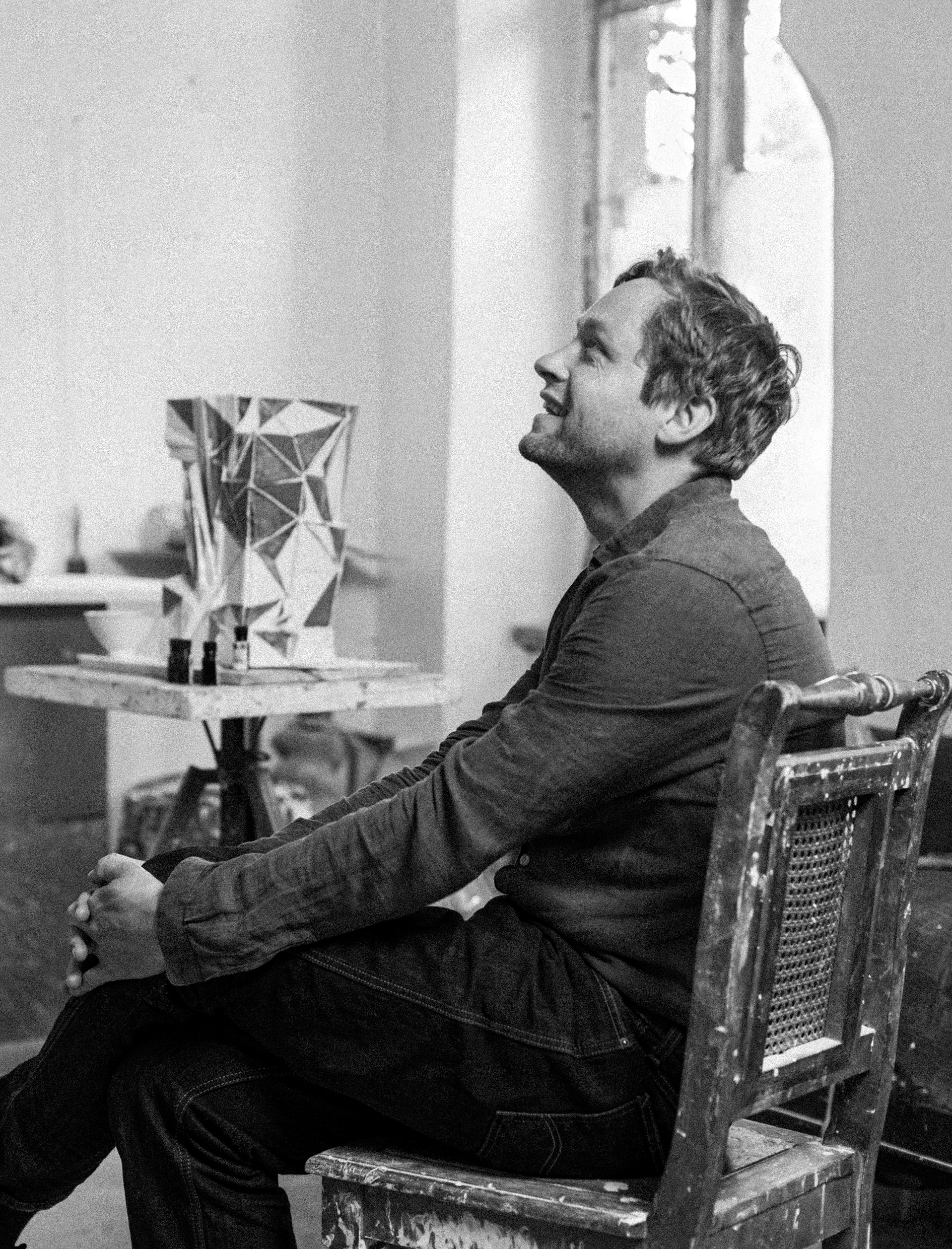
Johannes Nagel studied ceramics and the University of Art and Design Burg Giebichenstein, Halle, Germany. Deliberately questioning the widely accepted status of pottery as a functional, domestic and decorative craft, Nagel turns to clay as the privileged arena for his formal and conceptual explorations, rehearsing, through an eclectic array of vessels, the timeless debate of form vs. function, control vs. spontaneity, rigour vs. improvisation. In 2019 he was awarded Keramikmuseum’s Westerwald Prize, and having featured in important group exhibitions, his work is in the collection of international institutions, such as the Victoria & Albert Museum, London, UK, Musée Ariana, Geneva, Switzerland, Keramikmuseum Westerwald, Höhr-Grenzhausen, and Keramion, Frechen, Germany.
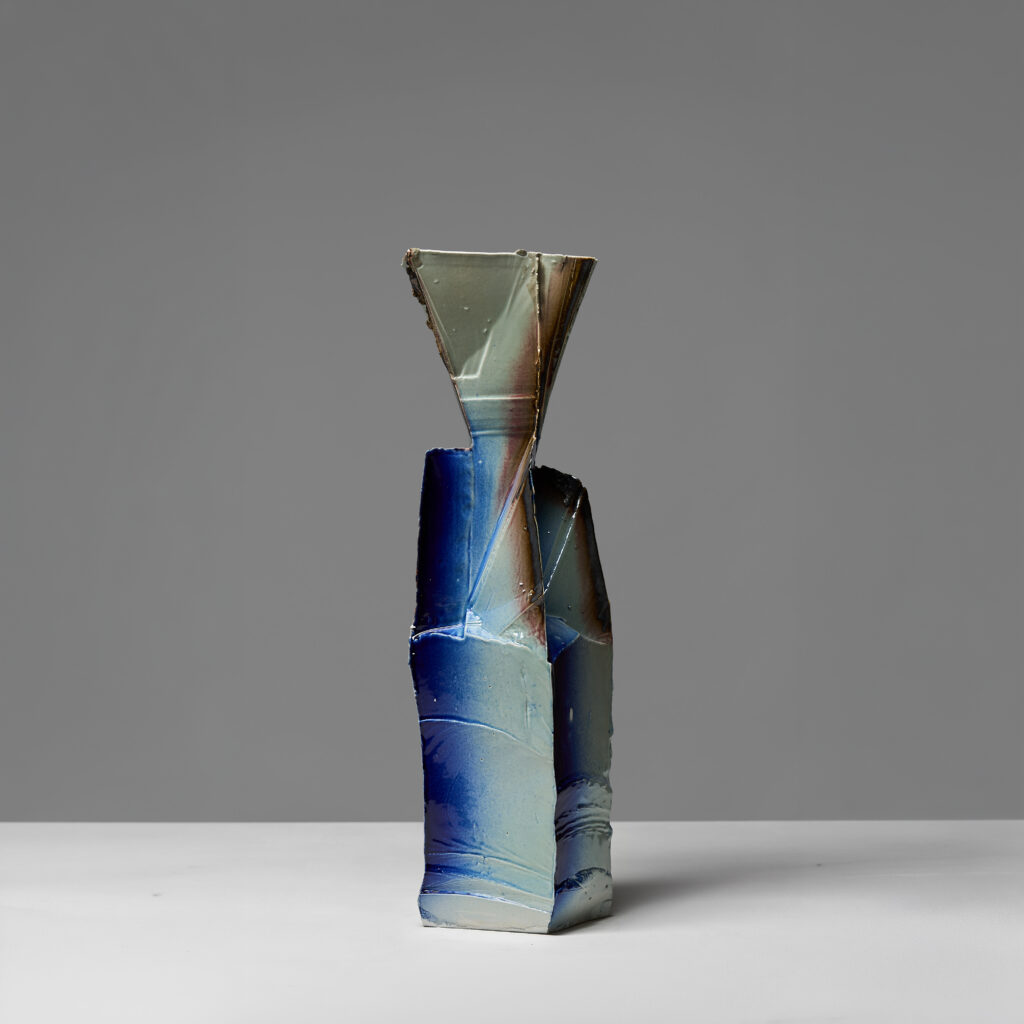
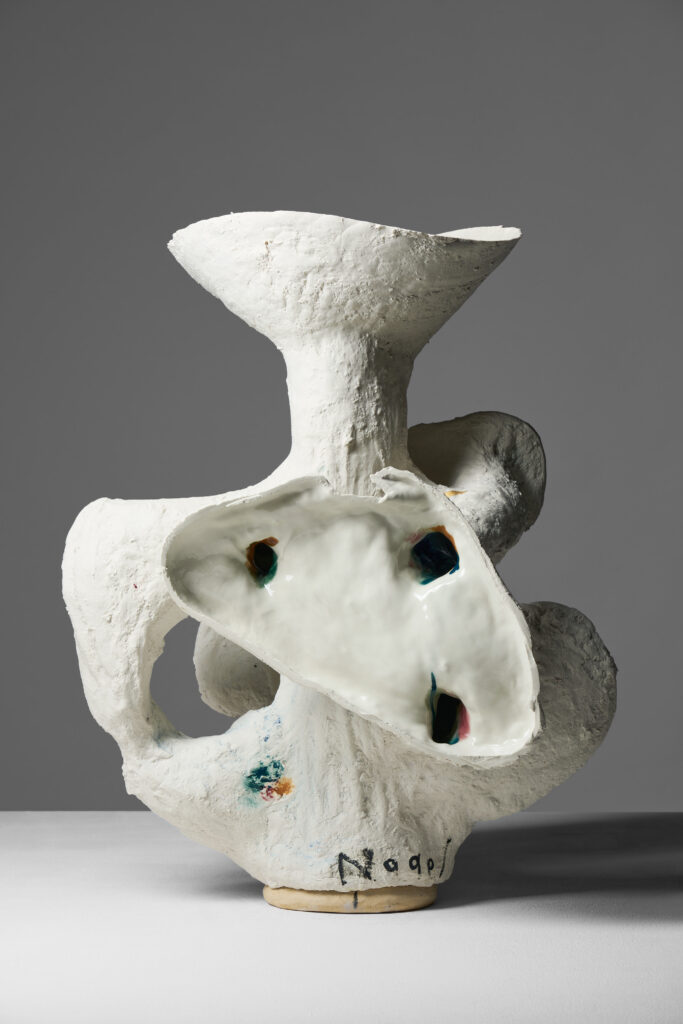
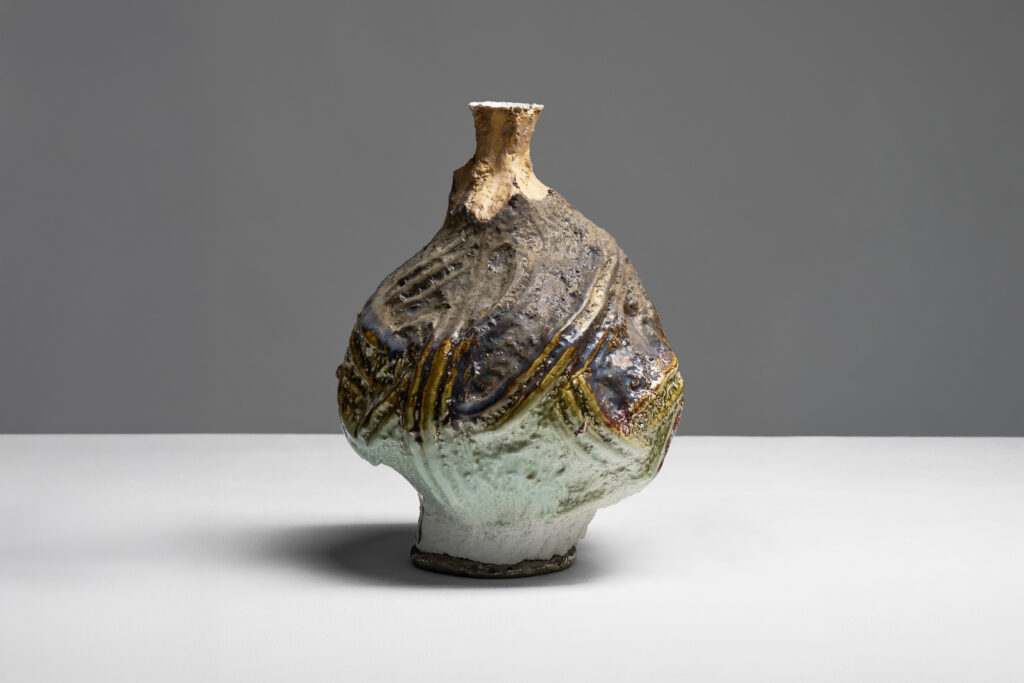
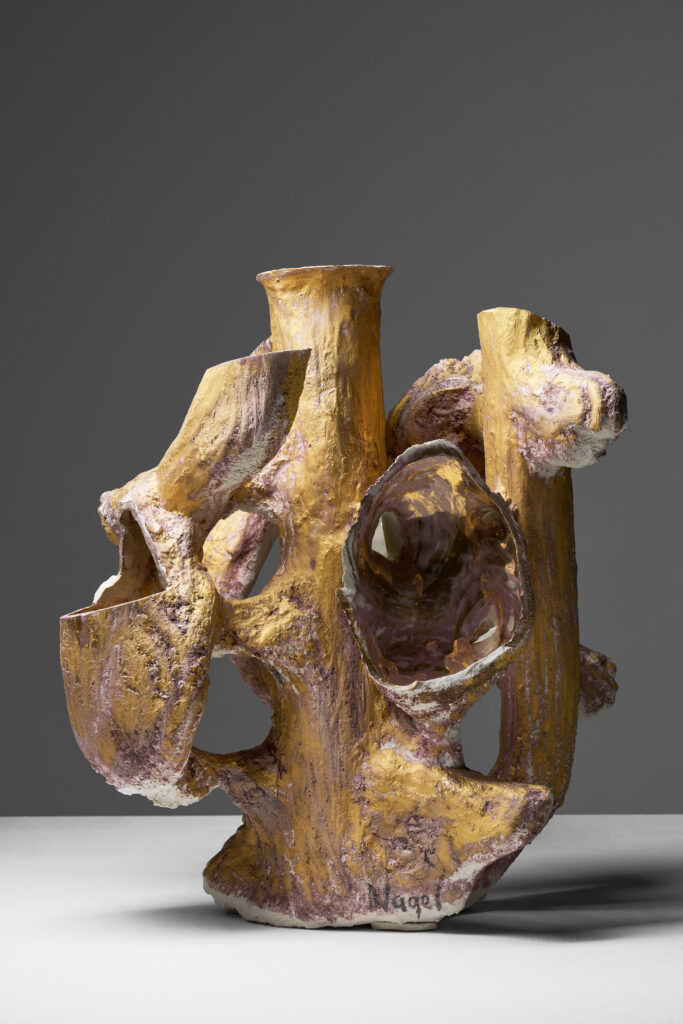
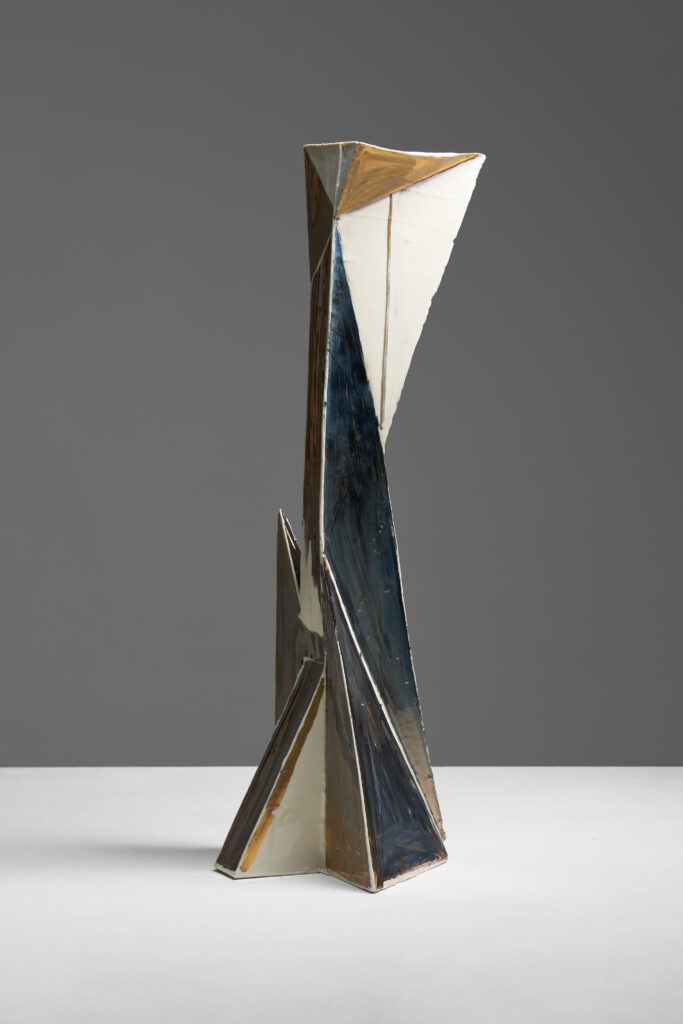
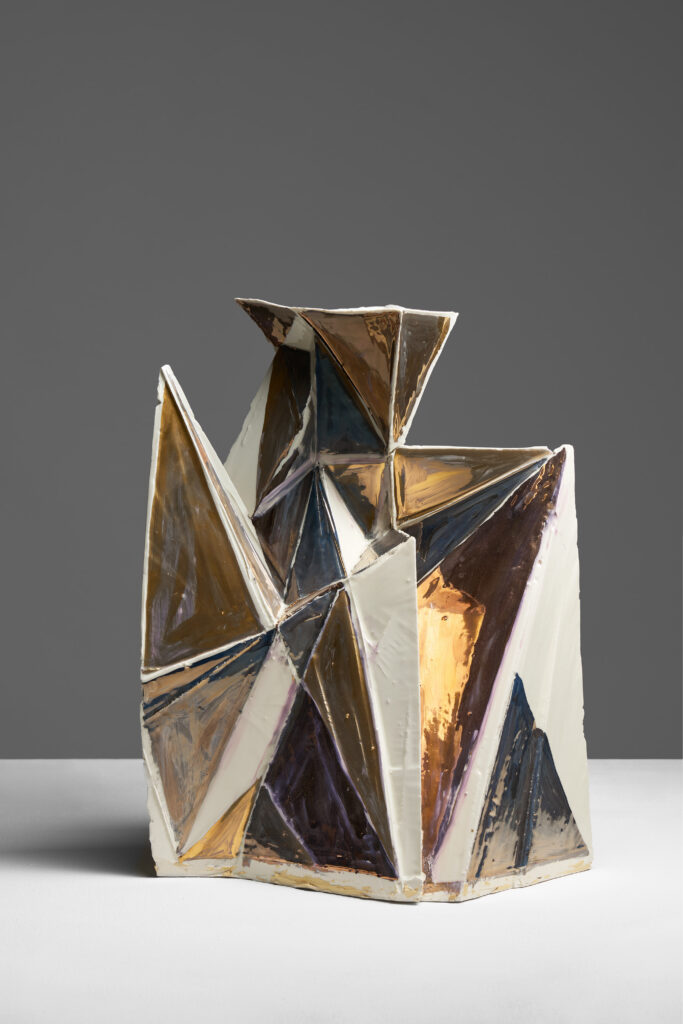
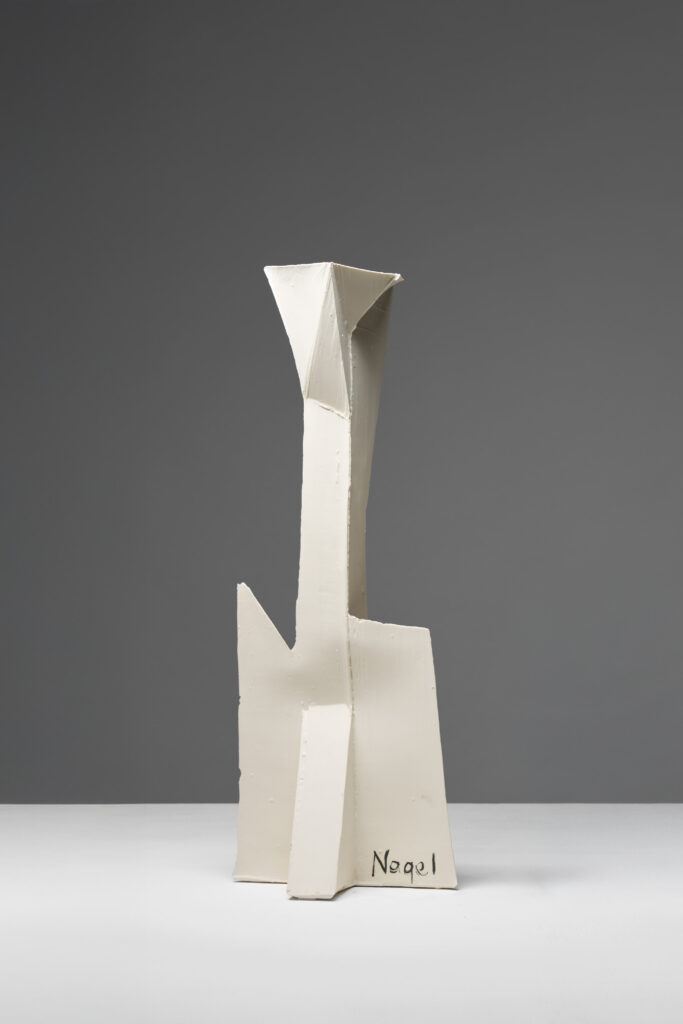
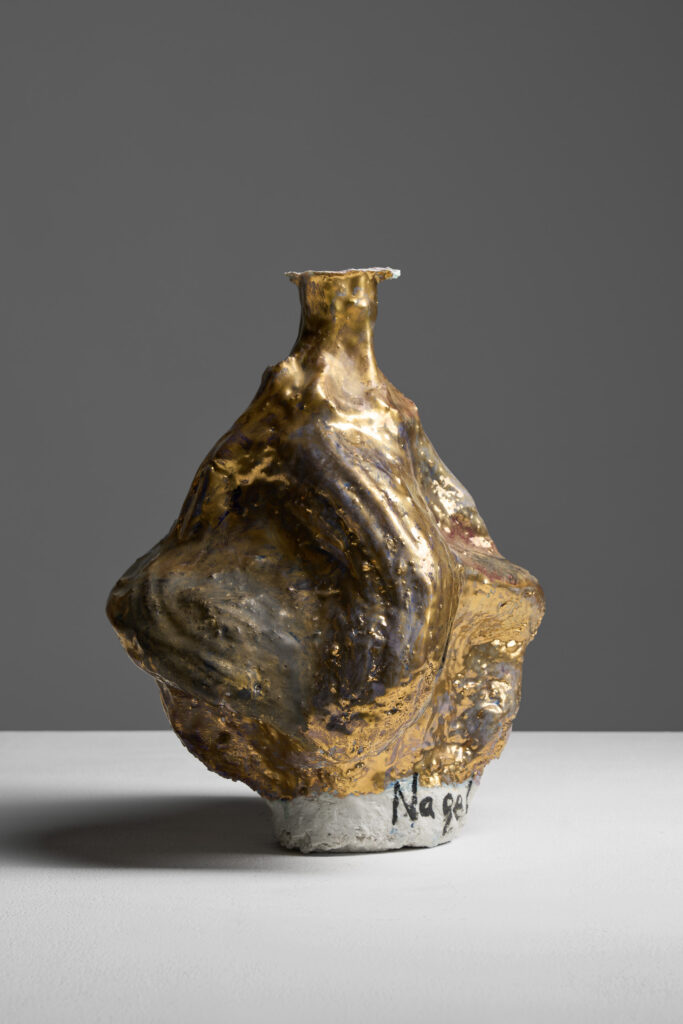
David Pye says:‘Any object that we design and produce is makeshift, is improvised, is inappropriate and provisional’. The subject of Nagel’s work specifically is the improvised and provisional. The objects are finished in that the porcelain is painted (glazed) and fired. Most objects are somehow vessels, pots. What else are they? The attempt to confuse the connotations that technology and material provoke. At times constructive composing, at times wilful destruction, sometimes vases, sometimes fragments or alienated object.
Improvised are the handling of the material and the methods of creating volume and shape – sawed, dug out, stacked, found or painted on.The joints and fissures, the blots of colour and unfinished painting appear provisional as they point from the finished object to the instant of making. It is not the perfection of the ultimate expression that is intended but to verbalize a concept of the evolution of things.What sort of a function do vessels have today?What may they contain? He says of his work: I hardly ever thought of flowers.